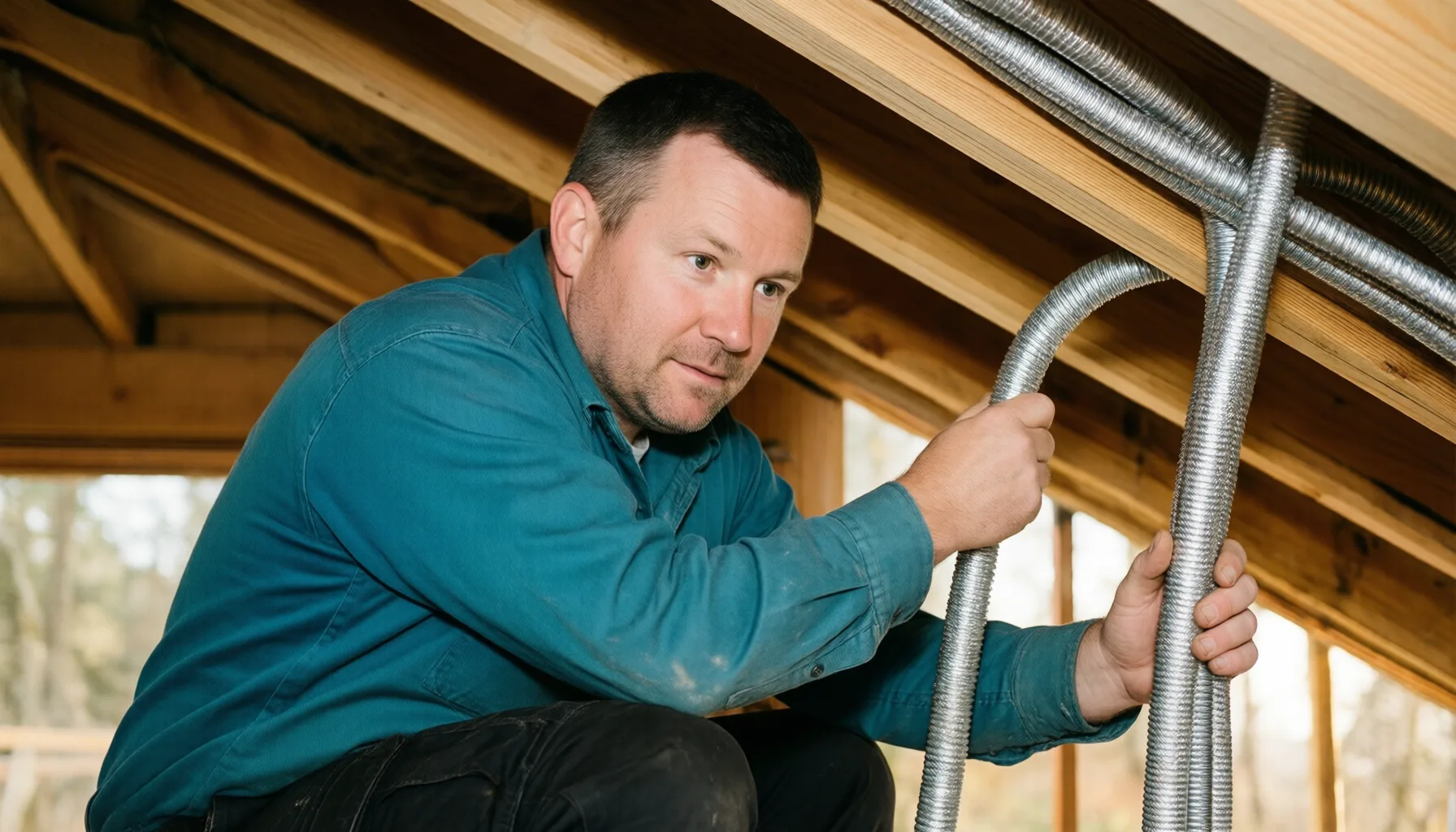
Understanding the AC Phase-Out Timeline for Orlando Homeowners
Published: 2026-06-24 · By TopChill AC Repair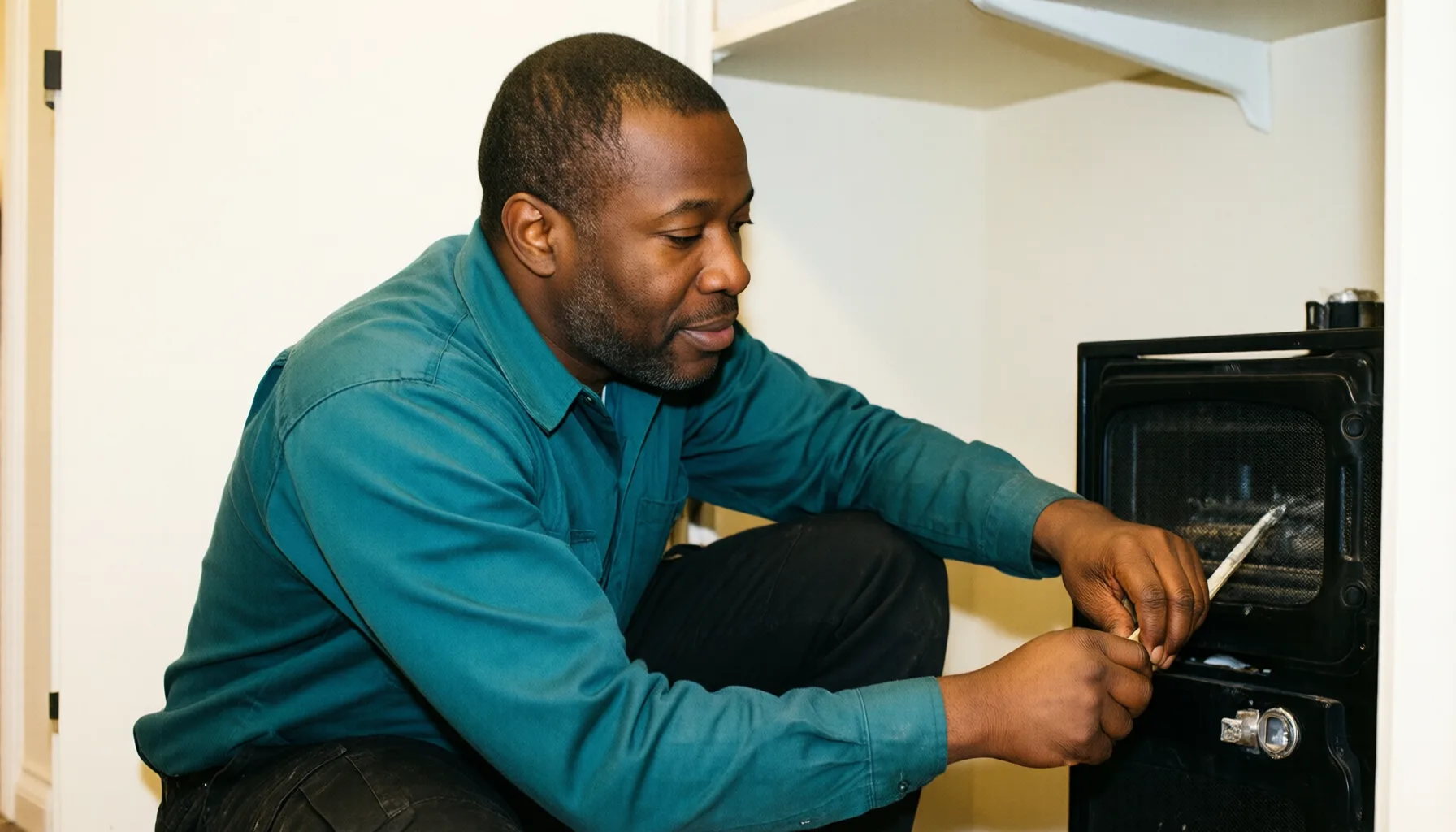
As a homeowner in Orlando, you're probably no stranger to the struggles of high humidity and the constant threat of tropical storms. But as temperatures soar and the humidity rises, the functionality of your air conditioning unit becomes paramount. Are you ready for the impending changes in AC technology that could affect your home? This article dives into the AC phase-out timeline, detailing what you need to know to keep your home cool and comfortable, even as regulations shift and older models become obsolete.
Why This Matters for Orlando Homeowners
In Orlando, where the climate is marked by high humidity, salt air, and extreme weather conditions, understanding the AC phase-out timeline is critical for homeowners. The new regulations are set to impact many outdated units, forcing residents to make critical decisions about repairs or replacements. As older air conditioners become less efficient and more prone to breakdowns, homeowners may be doing themselves a disservice by ignoring these timelines.
Moreover, the combination of salt air corrosion and hurricanes can exacerbate AC issues. Homeowners need to be aware of how these factors influence the durability of their units. Evaluating the energy efficiency of your current AC model can significantly reduce energy bills while ensuring comfort during the summer months. Additionally, delaying necessary updates can lead to more severe problems down the line.
Expert Solutions & Actionable Tips
1. Know Your Unit's Age
The age of your air conditioning unit is a crucial factor in determining whether it needs to be replaced. Typical AC units last between 10 to 15 years, but living in Orlando's humid climate can accelerate wear and tear. Older systems may lack the energy efficiency of newer models. If your AC is nearing the end of its lifespan, it's wise to consider replacement before the regulation changes take effect.
2. Understand SEER Requirements
Seasonal Energy Efficiency Ratio (SEER) ratings are about to see an increase in the required standards for new units. As of 2023, the minimum SEER rating will be 15 for split systems in the south. This could mean spending more upfront for a compliant unit but will save you money in energy costs in the long run.
3. Local Permits and Regulations
Make sure you are aware of Orlando's building codes and permit requirements before installing a new AC unit. The city mandates permits for any significant electrical or mechanical changes. Ensure your contractor is well-versed in these rules to avoid penalties and ensure a smooth installation process.
4. Monitoring The Weather
Living in an area prone to tropical storms and hurricanes, monitoring weather updates is essential. Heavy storms can result in damage to your AC unit. Prepare in advance and have protection plans in place, like installing covers or ensuring proper drainage, to minimize water damage risk during severe weather.
5. Invest in Preventive Maintenance
Preventive maintenance is essential for prolonging the lifespan of your AC unit, particularly in humid climates. Regular inspections from a qualified technician can detect minor issues before they escalate into expensive repairs. Consider budgeting for routine maintenance at least once a year to ensure your system runs efficiently.
6. Consider Energy-Efficient Upgrades
If you opt to replace your old system, look for ASHRAE-compliant units that meet or exceed new efficiency ratings. These units may have upfront costs ranging from $3,000 to $7,500 but can result in savings on your energy bills as well as credits during tax time. Engaging with a local HVAC expert can help you find the most suitable energy-efficient options for your home.
Orlando Climate & Local Context
Orlando's humid subtropical climate significantly affects air conditioning needs. The combination of high temperatures and moisture levels makes reliable cooling systems a necessity for comfort. Many homes are built on elevated foundations with moisture barriers to prevent flood damage—key elements when considering AC installation.
Additionally, local vegetation can impact overall air quality; for example, salt from coastal air can quickly corrode metal components of outside units. Familiarity with local regulations for air conditioning installs can save you time and money in securing necessary permits.
When to Call a Professional
While some AC issues can be handled as DIY projects, others certainly require professional intervention. For basic tasks, like changing air filters or cleaning condenser coils, homeowners can often manage on their own. However, diagnosing deeper issues or replacing complex components should be left to experienced technicians.
- Unit fails to start or is making unusual noises
- Inconsistent cooling across rooms
- AC unit is leaking water
- High utility bills with no clear reason
- Foul odors emitting from vents
- Refrigerant leaks
Recognizing these signs early can save you from escalating problems that could render your system unusable during peak heat months.
Frequently Asked Questions
What is the projected timeline for the AC phase-out in Orlando?
The AC phase-out will begin in 2023, with stricter SEER requirements for new installations being enforced moving forward. Staying updated on these changes will help ensure your system complies with local standards.
Can I install an AC unit myself in Orlando?
While you can handle minor maintenance tasks, a licensed professional should perform installations to adhere to city regulations and building codes. This ensures safety and compliance.
What are the benefits of upgrading to a more efficient AC unit?
Upgrading to a more efficient model can save you on energy bills, improve cooling performance, and comply with new regulations. Energy-efficient systems may also qualify for tax credits.
How can I prepare my AC unit for a hurricane?
To prepare for a hurricane, consider removing any debris from around the unit, covering it with protective tarps or panels, and ensuring proper drainage to minimize water exposure during heavy rains.
What is the best time to schedule AC maintenance in Orlando?
The ideal time for routine AC maintenance is prior to the summer months. Spring is an excellent season for inspections to ensure your system is ready for the intense heat of Florida summers.
Get Expert Air Conditioning Repair Service in Orlando
In the ever-changing landscape of air conditioning regulations, staying informed is key for Orlando homeowners. To ensure your AC system is compliant and efficient, reach out to TopChill AC Repair for expert guidance and service.
Don’t wait until it’s too late—call (689) 302-6466 today to schedule an inspection and keep your home comfortable all year round!